Design Through Maintenance: Learn About the Diverse Varieties of Grounds Offerings We Offer
Landscaping offerings encompass a wide range of solutions, from initial design concepts to continuous upkeep. Each stage is essential in building and maintaining an outdoor space that matches individual tastes and ecological factors. By comprehending the procedure and alternatives at hand, property owners can choose wisely that enhance both visual appeal and practical use. What specific elements should one consider to ensure a prosperous outdoor renovation?
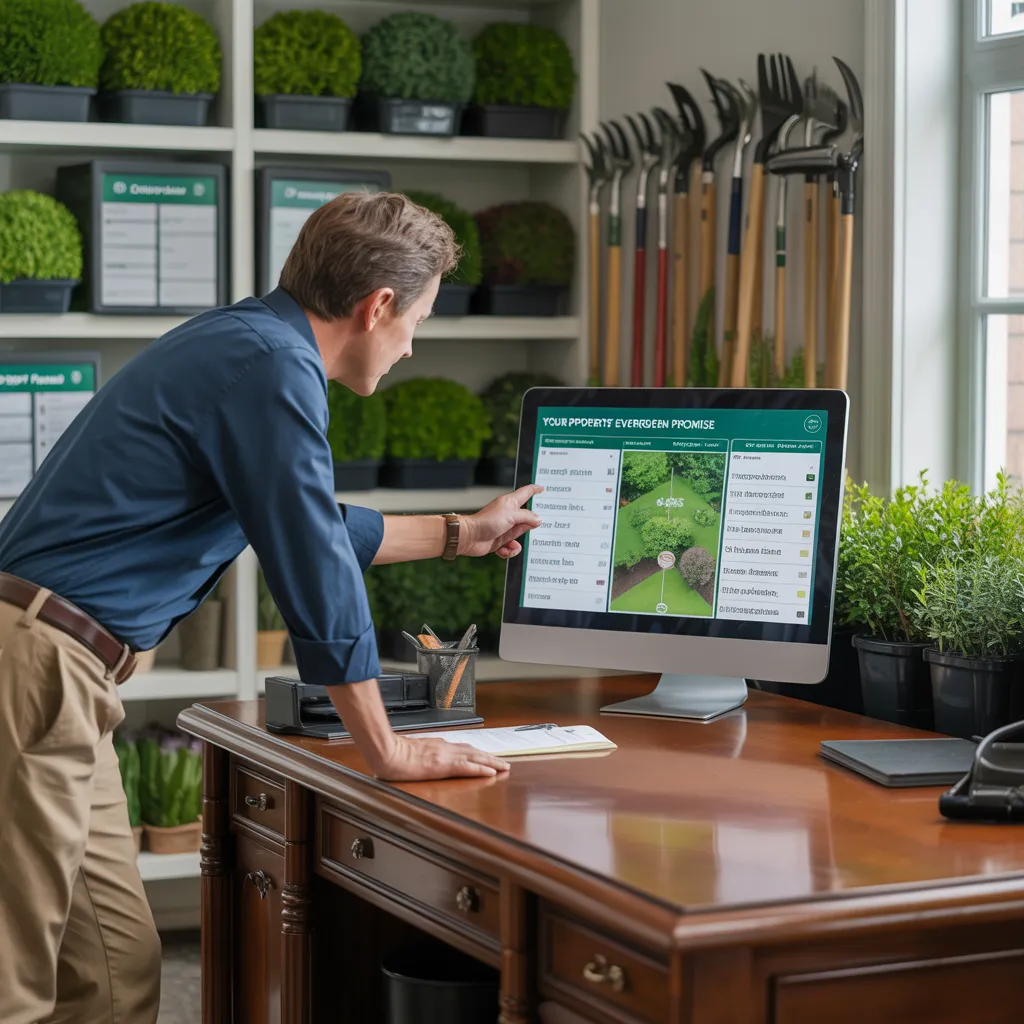
Strategies to Outline Your Yard Design Vision
Creating a landscaping vision is critical for constructing an landscaped area that conveys individual character and meets functional demands. This process initiates with examining the existing environment, incorporating soil quality, sunlight exposure, and climate considerations. Appreciating these factors assists in selecting appropriate flora and components.
Next, people should consider their lifestyle and how they want to use the space. Whether for socializing, plant cultivation, or rest, these activities will shape design choices.
Visual concepts may be sourced from various sources, like magazines, online platforms, or nature itself. Creating a mood board can help in clarifying your desires.
Ultimately, defining a budget is vital, as it affects plant selection, hardscaping possibilities, and complexity of design. By combining these elements, individuals can build a focused outdoor design vision that harmonizes aesthetic value with functionality, laying the groundwork for a successful outdoor enhancement.
Building the Best Landscape Design
Once a well-defined design vision has been established, the following step entails creating the optimal landscape design. This endeavor necessitates a fusion of creativity and practical considerations. Effective landscape design initiates with assessing the site's unique characteristics, such as topography, soil type, and sunlight exposure. These factors influence the layout, ensuring the design enhances the natural beauty of the environment.
A effective layout integrates multiple elements, including hardscaping features like patios and pathways, alongside soft landscaping components such as lawns and gardens. Careful placement of these components creates a balanced flow, guiding visitors through the space. Additionally, attention to size and ratio ensures that each element complements the others, avoiding overcrowding or imbalance.
Ultimately, the layout should mirror the client's desires while maintaining functionality. By carefully organizing every element, a outdoor design can convert the exterior area into a beautiful and welcoming environment, prepared to be appreciated year-round.
Selecting Plants That Flourish in Your Weather Conditions
Picking plants that thrive in a specific climate requires a in-depth understanding of hardiness zones, which indicate which species can endure local thermal conditions. Additionally, emphasizing regional vegetation can strengthen environmental harmony and resilience in the terrain. Planting season aspects also serve an key role in supporting long-term flourishing and vigor of the cultivated space.
Understanding Hardiness Zones
Grasping the concept of hardiness zones is important for those who garden and landscapers attempting to raise plants that will thrive in their designated climatic regions. These zones, established by the USDA, segment regions according to the low winter temperature averages. By identifying the hardiness zone of a given location, gardeners can select plants that are most likely to withstand local weather conditions. Each zone is marked with a number, with subcategories indicating minor try now temperature differences. For example, a plant meant for Zone 5 may not do well in Zone 4, where winters are harsher. Grasping these zones facilitates making informed decisions about plant selection, resulting in healthier landscapes and lowering the risk of plant failure. This understanding finally helps build a more long-lasting and healthy garden or landscape.
Native Flora Selection
While many gardeners may be inclined to select exotic plants for their landscapes, opting for indigenous plants often yields superior outcomes. Native plants are adapted to regional weather and earth conditions, needing less water and maintenance compared to non-native varieties. They provide critical environments for native fauna, promoting biodiversity and ecological balance. Selecting native species can also reduce pest issues, as these plants are naturally resistant to regional pathogens. Furthermore, adding indigenous species enhances the aesthetic appeal of a landscape by showcasing the area's inherent charm. Landscapers are encouraged to investigate the specific native plants suitable for their area, guaranteeing a flourishing landscape that aligns with environmental sustainability. Ultimately, native plant selection creates a harmonious and resilient landscape.
Seasonal planting recommendations are essential for growing plants
When organizing a garden, gardeners must consider the seasonal climate variations that affect plant vitality. Selecting plants that flourish in particular climate zones ensures optimal growth and durability. For instance, in warmer regions, drought-resistant plants may be preferred, while cooler climates are suited for hardy perennials that can resist frost. Understanding local weather patterns, such as rainfall and temperature changes, helps in selecting the right species. Additionally, seasonal changes determine planting times; spring is ideal for many annuals, whereas fall can be perfect for certain perennials. By matching plant selection with local climate conditions, gardeners can create thriving, long-lasting landscapes that flourish through all seasons, lowering maintenance efforts and boosting the overall appeal of the garden.
Create Your Ideal Outdoor Living Space
Building a dream backyard sanctuary requires careful consideration of bespoke design options that communicate individual preferences. Practical exterior additions, including seating areas and cooking spaces, maximize functionality while matching the complete look. As a whole, these features create a yard into a personalized retreat.
Tailored Visual Answers
Custom design solutions allow homeowners to transform their outdoor spaces into personalized refuges. By taking into consideration individual preferences, lifestyles, and environmental factors, landscaping professionals craft unique designs that mirror the homeowner's vision. These solutions involve various elements, including plant selection, hardscaping, and layout adjustments, ensuring each outdoor space is both aesthetically pleasing and functional. Collaborating closely with clients, designers integrate specific themes, colors, and materials to enhance the overall appeal. The focus remains on creating symbiotic environments that merge seamlessly with the home while addressing the homeowner's practical needs. Ultimately, custom design solutions not only boost the beauty of outdoor areas but also nurture a sense of connection with nature, enriching everyday experiences.
Outdoor Features That Function Well
Practical outdoor amenities serve an vital role in enhancing the practicality and satisfaction of outdoor living spaces. These components, such as patios, decks, and outdoor kitchens, establish inviting areas for rest and entertaining. Including features like fire pits and water elements can deliver both aesthetic charm and practical advantages, letting homeowners appreciate their yards year-round. Furthermore, strategically positioned seating and dining areas foster social gatherings, while pathways and lighting enhance accessibility and protection. sustainable options, like rain gardens and permeable paving, support environmental wellbeing. In summary, practical outdoor features convert a yard into a versatile space that addresses multiple requirements, assisting homeowners to optimize their outdoor experience while establishing a harmonious balance between nature and design.
What Methods Can Help Your Landscaping Become More Green?
In what manner can homeowners reshape their outdoor spaces into green landscapes? One sound approach is to include native plants, which need less water and upkeep while supporting local wildlife. Using drought-resistant species can greatly decrease water consumption, making landscapes more environmentally conscious.
Another technique entails implementing rain gardens to handle stormwater runoff successfully, allowing rainwater to soak into the ground rather than contributing to environmental damage. Homeowners can also opt for organic fertilizers and pest prevention methods to minimize chemical usage, encouraging a better ecosystem.
Using porous pavement solutions on pathways and driveways can boost water infiltration, lessening soil loss and stormwater flow. Additionally, establishing composting systems promotes organic waste reuse and boosts soil health.
Vital All-Season Landscape Maintenance
What fundamental responsibilities guarantee a landscape remains vibrant and vigorous throughout the year? Year-round landscape maintenance encompasses a assortment of important activities that advance maximum maturation and beauty. Regular grass cutting makes certain that grass continues healthy and at an ideal height, while seasonal feeding provides necessary nutrients. Pruning shrubs and trees not only keeps their shape but also encourages healthy expansion and reduces the risk of disease.
Another key task is weeding, as it prevents contest for resources among plants. Mulching aids in preserving soil moisture and limits weed growth, enhancing the overall appearance of garden beds. Also, seasonal examinations of irrigation systems assure efficient water use, eliminating waste and promoting sustainability.
Redesigning Your Space: Impressive Before and After
A well-groomed landscape lays the groundwork for dramatic changes that can improve any outdoor setting. Landscaping services specialize in revitalizing areas, showcasing eye-catching before-and-after makeovers that amaze. These projects usually initiate with a comprehensive assessment of the existing landscape, locating problem areas, such as unruly foliage, worn pathways, or poor illumination.
Once the plan is finalized, skilled professionals implement improvements that may include new plantings, decorative features, and practical structures like patios or outdoor kitchens. The outcomes can be impressive: empty yards can transform into lush gardens, while dull pathways can be converted into welcoming pathways.
Photographs capturing these changes highlight the success of professional landscaping. The stark contrast between the initial state and the finished project emphasizes not only visual beauty but also the enhanced worth of the residence. Ultimately, a beautifully transformed landscape can establish a inviting environment, enriching the complete enjoyment of exterior spaces.

Frequently Posed Questions
What Is the Average Cost for Landscaping Services?
regional labor rates and local labor conditions.
How long Does a Landscaping Project Typically Take?
A landscape improvement project typically takes between one to four weeks, contingent upon elements like project size, complexity, weather conditions, and the specific services required. Adequate planning can help streamline the timeline effectively.
Can You Provide Seasonal Grounds Maintenance Offerings?
Indeed, seasonal landscape care options are accessible, featuring spring clean-ups, summer maintenance, autumn leaf removal, and winter preparations. These offerings promise landscapes keep robust and attractive throughout the changing seasons, addressing specific seasonal needs competently.
Can I Care for My Outdoor space Myself After Setup?
Yes, maintaining a landscape independently after installation is possible. However, it requires familiarity with correct methods, equipment, and seasonal upkeep to ensure the landscape stays robust and aesthetically pleasing over time.
What Machinery Do You Using for Landscaping Work?
Landscaping assignments typically necessitate equipment such as lawnmowers, trimmers, blowers, shovels, rakes, and various power tools. Larger assignments may also incorporate excavators and trucks for conveying materials, increasing efficiency and precision in the work.